Generated 30 Health Reports for My Friends: How It Deepened Our Bonds and Sharpened My Focus
Have you ever worried about a friend but didn’t know how to help? I started using a simple health app to generate weekly reports—for myself, and eventually for my closest friends. It began as a personal habit, but turned into something deeper: richer conversations, stronger trust, and even better focus in my daily life. This isn’t about data overload—it’s about care, connection, and becoming a better version of yourself while lifting others up. What started as a way to track my own sleep and energy slowly became a quiet, powerful way to show up for the women I love. And in the process, I discovered something surprising: supporting others with intention doesn’t drain you—it sharpens you.
The Moment I Realized My Friend Was Struggling
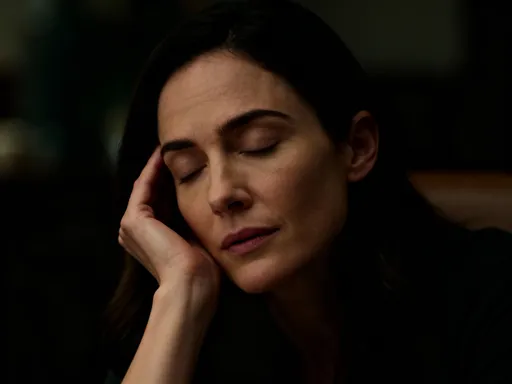
It was nearly midnight when my phone rang. Not a text, not a quick voice note—but an actual call. That alone told me something was off. When I answered, my friend Sarah’s voice was thin, like she was holding back tears. We’d talked earlier that week, and she’d said she was ‘fine,’ just tired. But this wasn’t tired. This was exhaustion layered with worry, the kind that settles in when you’ve been carrying something alone for too long.
She didn’t say much at first—just that she couldn’t sleep, that her mind raced no matter how early she turned off the lights. She was overwhelmed at work, her shoulders ached from tension, and she felt like she was failing her kids because she didn’t have the energy to help with homework or make dinner most nights. I listened, of course. I offered comfort. But afterward, I felt helpless. I wanted to do more than just listen. I wanted to understand what was really going on. And I realized something important: we check in all the time, but we rarely check in with depth. ‘How are you?’ has become a polite gesture, not a real question. I didn’t know how to move past that. I didn’t have the tools. But I knew I needed them—not just for Sarah, but for the other women in my life who were probably struggling in silence too.
I started asking myself: what if we had a better way to share how we’re really doing? Not through dramatic confessions, but through gentle, consistent signals? That night lit a spark. I began researching simple, non-invasive ways to track well-being—not for diagnosis, but for awareness. I didn’t want to turn into a doctor or therapist. I just wanted to be a better friend. And that’s when I discovered the power of personal health reports.
How Health Reports Became Our Shared Language
I started small—just tracking my own sleep, mood, and energy levels using a basic wellness app. Nothing fancy. No medical devices, no complicated charts. Just a few taps each morning and night. After a few weeks, I noticed patterns. On days when I slept less than seven hours, my focus slipped. When I skipped breakfast, my mood dipped by midday. These weren’t shocking revelations, but seeing them laid out week after week made them real. And I thought: what if I could share this with someone I care about—not to lecture, but to connect?
The next time Sarah and I met for coffee, I showed her my weekly summary. I didn’t say, ‘You should sleep more.’ I said, ‘This is what my body’s been telling me lately.’ I showed her how my energy dropped on days I skipped walks, or how my stress score spiked after back-to-back meetings. And then I asked, ‘What if we both did this? Just for fun. Just to see.’ I emphasized it wasn’t about perfection—it was about awareness. She hesitated at first. ‘I don’t want to obsess over numbers,’ she said. I agreed. That’s not what this is. This isn’t about hitting goals or chasing ideals. It’s about paying attention—with kindness.
We agreed to try it for four weeks. No pressure. No judgment. Just sharing a one-page summary every Sunday night. And something shifted almost immediately. Our check-ins changed. Instead of ‘How are you?’ we started saying, ‘Hey, I noticed your energy was low Tuesday—everything okay?’ or ‘Your sleep looked better this week—how did that feel?’ The reports didn’t replace conversation—they made it more meaningful. We weren’t guessing anymore. We had context. And that made all the difference.
From Data to Empathy: Building Trust Through Transparency
The real turning point came when I shared my own struggles first. In my third weekly report, I included a note: ‘Sleep: 5.5 hours average. Reason: anxiety about my mom’s health. Didn’t want to talk about it yet, but it’s here.’ I sent it not as a cry for help, but as an offering of honesty. And Sarah’s response surprised me. She didn’t try to fix it. She said, ‘Thank you for telling me. I’ve been hiding the same thing about my dad.’
That moment cracked something open. By showing my own imperfections—my restless nights, my low motivation days—I gave her permission to do the same. Vulnerability became our bridge. The reports weren’t cold data. They were handwritten letters from our bodies, translated into simple charts. And when we shared them, we weren’t saying, ‘Look at my problems.’ We were saying, ‘This is what I’m carrying. I trust you with it.’
Over time, the reports became a ritual. We didn’t read them like doctors. We read them like friends who finally had a map. When Sarah’s stress scores spiked for three weeks straight, I didn’t say, ‘You need to relax.’ I said, ‘That looks hard. Want to walk on Saturday? No talking required.’ And she said yes. The technology didn’t create empathy—it made space for it. It gave us a shared language for things we used to avoid: fatigue, worry, burnout. And in that space, trust grew. Not because we had all the answers, but because we were finally asking better questions—to ourselves and to each other.
How Tracking My Friend’s Patterns Helped Me Learn Faster
Here’s what I didn’t expect: helping Sarah understand her patterns made me a sharper learner. When she noticed her energy crashed every afternoon after eating lunch at her desk, I got curious. Was it the food? The lack of movement? The screen glare? I started reading about blood sugar, circadian rhythms, and the impact of blue light—not for a class, not for work, but because it mattered to someone I love.
And that made all the difference. Information I might have skimmed over in an article suddenly felt urgent. I remembered details I normally wouldn’t—like how protein and fiber stabilize energy, or how a ten-minute walk after eating can improve focus. Because I was learning to help someone else, the knowledge stuck. I wasn’t just absorbing facts. I was building a toolkit.
I started applying what I learned—not just to Sarah, but to myself. When I saw how her hydration levels improved her mood, I paid more attention to my own water intake. When she experimented with turning off notifications after 7 p.m., I did the same. We weren’t copying each other. We were learning in parallel. And because we were both tracking, we could compare notes. ‘Did you notice how much better you slept when you charged your phone outside the bedroom?’ ‘Yes! I felt like I woke up earlier even though I went to bed at the same time.’
This kind of real-life, relationship-driven learning changed how I process information. I became more focused, more intentional. I wasn’t studying to pass a test—I was learning to care better. And that made the effort feel meaningful, not exhausting. I realized that when knowledge serves love, it doesn’t weigh you down. It lifts you up.
Turning Insights into Daily Wins—Together
We didn’t try to change everything at once. That would have been overwhelming. Instead, we picked one small thing each month to focus on—based on what the reports showed us. One week, it was hydration. We challenged each other to drink half our body weight in ounces daily. We sent each other silly photos of our water bottles with captions like ‘Gulp for glory!’ It wasn’t about perfection. It was about showing up.
The next month, we noticed both our sleep quality dipped on weekends when we stayed up late scrolling. So we created a ‘digital sunset’ rule—no screens one hour before bed. We replaced it with reading, tea, or quiet time with our journals. And when one of us slipped, the other didn’t scold. We just said, ‘Tomorrow’s a new night. Want to try again?’
Then came the walks. We started syncing our schedules for a 20-minute walk three times a week—sometimes in person, sometimes over the phone. We didn’t talk about the reports during those walks. We talked about our kids, our dreams, our favorite recipes. But the walks themselves were born from data. We knew movement boosted our energy and mood. So we made space for it—not as a chore, but as a gift.
And when Sarah made it through a full week with consistent sleep, we celebrated. Not with champagne, but with a long phone call and a promise to keep going. Those small wins weren’t just hers. They were ours. Because we’d noticed, we’d cared, we’d shown up. The app didn’t create those wins. We did. But it gave us the clarity to see where to focus. And that made all the difference.
Why This Changed How I See Technology and Connection
I’ll admit—I used to see technology as the enemy of real connection. Phones at dinner. Endless scrolling instead of talking. The way we all disappear into our screens during family time. I worried that digital tools were pulling us apart, not bringing us together. But this experience taught me something new: it’s not the technology that’s the problem. It’s how we use it.
These health reports could have been cold, clinical, isolating. But they weren’t—because we used them with care. We didn’t obsess over every number. We didn’t shame each other for low scores. We used the data as a starting point, not a verdict. And in doing so, we turned a digital tool into an act of love.
I began to see that technology, when rooted in intention, can deepen human connection. A shared report is like a modern-day letter—quiet, thoughtful, full of care. It says, ‘I’m paying attention. I see you. I’m here.’ It doesn’t replace a hug or a cup of tea. But it can lead to one. And sometimes, that’s exactly what we need—a small, steady way to stay close, even when life gets busy.
I also realized that care doesn’t always have to be loud. It can be quiet. It can be a weekly email with a chart and a note that says, ‘Thinking of you.’ It can be noticing a pattern and saying, ‘Want to talk about it?’ Technology, when used this way, doesn’t distract from love. It delivers it.
A New Kind of Friendship Maintenance—Simple, Meaningful, Human
What we’re doing isn’t revolutionary. We’re not curing diseases or running clinical trials. We’re just two women using a simple tool to stay connected in a world that makes it so easy to drift apart. And yet, it feels revolutionary in its own quiet way.
Friendship maintenance used to mean remembering birthdays or sending a holiday card. Now, for us, it means paying attention to each other’s rhythms. It means showing up with curiosity instead of judgment. It means using data not to fix, but to understand. And in that space, something beautiful grows: deeper trust, greater compassion, and a shared commitment to well-being.
I’ve become a better friend—not because I have all the answers, but because I’m learning to listen in new ways. And I’ve become a sharper, more focused learner because my curiosity is fueled by care. When you’re learning to support someone you love, you pay attention. You remember. You grow.
These 30 health reports weren’t just summaries of sleep or energy. They were love letters in disguise. They reminded me that the most powerful technology isn’t the one that does everything for us—it’s the one that helps us care for each other with more clarity, more kindness, and more presence. And in a world that often feels too fast, too loud, too disconnected, that might be the greatest gift of all.