From Lonely to Connected: How Meditation Apps Quietly Changed My Social Life
Ever felt alone even when surrounded by people? I used to scroll through my phone, avoiding calls and dreading small talk. Then I started using a simple meditation app—not for stress, but to quiet the noise in my mind. Within weeks, something shifted. I felt calmer, more present. And surprisingly, I began reaching out to people again—sending that text, joining that coffee meetup, smiling at strangers. It wasn’t the app making friends for me. It was me, finally at ease enough to let them in. That small change didn’t just affect my mood—it quietly rewired how I showed up in the world, especially around others. If you’ve ever felt like you’re missing the connection switch, you’re not broken. You might just need a different kind of tool.
The Silence Before: Living with Quiet Loneliness
There was a time when my days felt full, but my heart felt empty. I’d drop the kids at school, wave to neighbors, reply to work emails, and smile through grocery store small talk—yet come evening, I’d sit on the couch, phone in hand, and wonder why I still felt so disconnected. I wasn’t grieving. I wasn’t going through a crisis. I just felt… distant. Like I was watching my life through a foggy window. Sound familiar?
Loneliness isn’t always about being physically alone. For so many of us, it’s the quiet ache of feeling unseen, unheard, or emotionally stretched too thin to reach out. I had people around me—family, coworkers, even friends I’d known for years—but something was missing. The real issue wasn’t a lack of invitations or social opportunities. It was that inner noise—the constant mental chatter, the worry about saying the wrong thing, the fear of being judged—that made every interaction feel like work. I was exhausted before I even began.
I’d scroll through social media and see others laughing at brunches, hiking in groups, hosting dinner parties, and I’d think, How do they do it? Why can’t I just relax and enjoy people? But the truth was, I wasn’t avoiding others because I didn’t like them. I was avoiding them because I didn’t feel safe in my own skin. I was so caught up in my thoughts—what I should’ve said, what I might say wrong—that I couldn’t actually be present. The irony? The more I pulled away, the lonelier I felt. And the lonelier I felt, the harder it became to reconnect.
This kind of loneliness is more common than we admit, especially among women in midlife. We’re often the glue—holding families together, managing schedules, showing up for everyone else—while quietly feeling invisible. We’re connected 24/7 through texts, emails, and group chats, yet emotionally, we can feel miles away. The digital world promised connection, but for many of us, it just amplified the noise, making it harder to hear our own voice, let alone connect with others in a meaningful way.
Finding Calm in the Palm of My Hand
The turning point came on a rainy Tuesday afternoon. My youngest was at soccer practice, the house was quiet, and instead of feeling relieved, I felt restless. I kept picking up my phone, opening and closing apps, not really looking for anything—just trying to fill the silence. That’s when I stumbled on a meditation app. I’d heard about them—mostly for stress relief or better sleep—but I wasn’t looking for either. I just wanted to stop feeling so… on edge all the time.
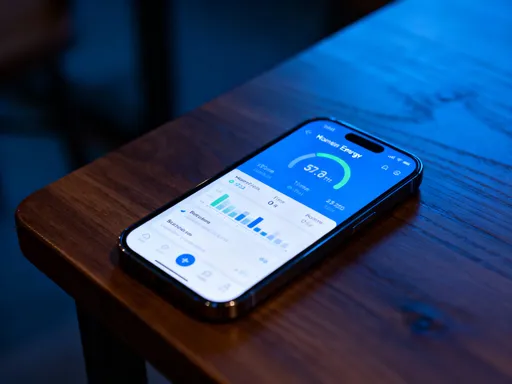
I downloaded one that looked simple—no fancy graphics, no intense promises. Just a clean interface and a voice that said, “Let’s begin.” I sat on the edge of my bed, set a five-minute timer, and closed my eyes. The instructions were simple: focus on my breath. But the moment I tried, my mind exploded with thoughts. Did I pay the electric bill? What’s for dinner? Why did I say that thing to my sister last week? I lasted two minutes before giving up, frustrated. I wasn’t “good” at this. But something made me try again the next day. And the next.
Here’s what I didn’t expect: I didn’t need to be good at it. I didn’t need to clear my mind or achieve some mystical state. I just needed to show up. The app didn’t judge me when I got distracted. It gently guided me back, again and again. Over time, those five minutes became ten. Then fifteen. I started noticing small shifts—like how I could pause before reacting when the kids argued, or how I didn’t automatically reach for my phone during quiet moments.
What I realized was that this wasn’t just about relaxation. It was about reconnection—with myself. For years, I’d been so focused on doing, fixing, managing, that I’d forgotten how to just be. The app became my quiet corner, my mental reset button. It wasn’t magic. It didn’t fix my life overnight. But it gave me space—space to breathe, to notice my thoughts without getting swept away, and most importantly, space to remember who I was beneath all the roles.
And here’s the thing about inner calm: it doesn’t stay inside. It starts to spill over. I began to feel less reactive, less overwhelmed. I wasn’t just surviving my days—I was starting to feel present in them. And when you’re present with yourself, you become more available to others. That’s when the social shift began.
How Inner Peace Opens Outer Doors
I remember the first time I noticed the change. I was at a school pickup, standing in the usual line of minivans and SUVs. A mom I’d seen before—Sarah—was there, juggling a coffee and her toddler’s backpack. Normally, I’d nod and look away, too busy in my head to make real eye contact. But that day, I paused. I took a breath. And I said, “Looks like a full morning!” She laughed, and we ended up talking about weekend plans, a new bakery in town, her daughter’s obsession with dinosaurs. It wasn’t deep. It wasn’t life-changing. But it was real. And for the first time in a long time, I didn’t walk away feeling like I’d missed something.
That small moment was a clue. When my mind wasn’t racing, I could actually listen. I wasn’t so focused on how I was coming across that I could pay attention to the person in front of me. That’s the quiet power of meditation: it doesn’t teach you how to talk to people. It teaches you how to be with them. Without the constant internal commentary—Do they like me? Am I boring? Should I say something funny?—conversations became lighter, more natural.
I started saying yes to things I would’ve avoided. A neighbor invited me to a Saturday morning coffee walk. I almost said no—what if it was awkward? What if I didn’t know anyone? But I remembered my breathing practice. I reminded myself: You don’t have to be perfect. You just have to be kind. So I went. And yes, it was a little awkward at first. But as we walked, sipping coffee and watching the sunrise, I noticed how easy it felt to talk when there was no pressure. We weren’t trying to impress each other. We were just… there.
Another time, I walked into a bookstore looking for a novel and ended up in the mindfulness section. I picked up a book, and a woman nearby said, “That one changed my life.” We started talking about meditation, and she mentioned she was part of a local group that met once a month. I didn’t sign up right away, but I wrote down the details. A few weeks later, I went. Sitting in a circle of strangers, eyes closed, breathing together—it felt strange at first. But when we opened our eyes and started talking, something shifted. There was a softness, a warmth, that I hadn’t felt in other social settings. Maybe because we weren’t performing. We were just being.
Inner peace doesn’t make you louder or more outgoing. It makes you more available. It clears the mental clutter so you can actually see the connections that are already around you. And when you’re not afraid of silence, you don’t rush to fill it with small talk. You can just… be with someone. And that, more than any clever comment, is what builds real connection.
The Unexpected Social Side of Solo Practice
One of the things I love most about the app I use is that it’s not just a solo experience. It has little community features—daily challenges, shared meditations, even local event listings. At first, I ignored them. I thought, I’m here to meditate, not to network. But then I saw an announcement: “Join a global meditation moment—Sunday at 10 a.m.” I figured, why not? I lit a candle, sat on my living room floor, and pressed play. Knowing that thousands of people were doing the same thing at the same time made it feel special. Not loud or flashy—just quietly powerful.
Later, I noticed a local meetup listed: “Mindful Mornings at the Botanical Garden.” It was just an hour of sitting together, then a light walk. No agenda. No pressure. I almost didn’t go—what if I was the only one who showed up? What if everyone already knew each other? But I went anyway. And guess what? Most people were new, too. We sat in silence for 20 minutes, then slowly started talking. We didn’t dive into deep personal stories. We talked about the weather, the flowers, how hard it is to sit still. But there was an unspoken understanding: we were all trying to slow down, to be kinder to ourselves.
That’s the beauty of connecting through mindfulness. You don’t have to pretend. You don’t have to perform. You show up as you are—tired, distracted, hopeful, healing. And because everyone else is doing the same, there’s an instant sense of trust. You’re not bonding over hobbies or kids’ schools or where you work. You’re bonding over the shared desire to be more present, more peaceful.
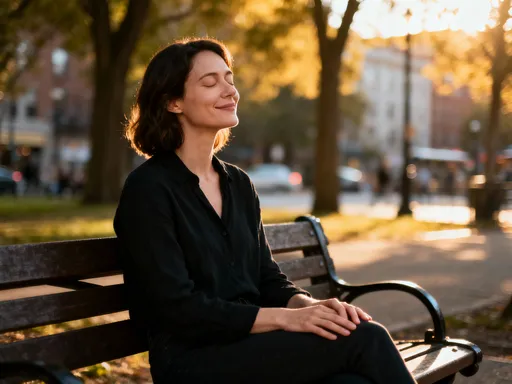
I’ve made real friends this way—women I now text when I’m having a hard day, who remind me to breathe when life feels heavy. One of them, Lisa, and I now meet every other week for a silent walk in the park. We don’t talk the whole time. Sometimes we walk in silence, sometimes we share a thought. It’s not like any friendship I’ve had before. It’s slower. Deeper. More intentional. And it started with a simple app that helped me find my breath—and then, slowly, my voice.
From Mindful Minutes to Meaningful Moments
What’s amazing is how those few minutes a day started to ripple into everything else. I didn’t just feel calmer in meditation—I started noticing it in real life. When my daughter snapped at me after school, instead of snapping back, I paused. I took a breath. And I said, “You seem upset. Want to talk?” That small pause changed the whole dynamic. We ended up having a real conversation, not a fight.
That’s the thing about mindfulness—it doesn’t just help you manage your own emotions. It helps you see others more clearly. I started noticing little things: the tired look in my husband’s eyes, the way my friend hesitated before saying she was “fine.” I became more patient. More curious. Less quick to judge. And that made me a better listener, a better friend.
I began remembering small details—my neighbor’s dog’s name, the tea her mom loves, the book another mom mentioned months ago. I’d follow up: “How’s your mom feeling?” or “Did you finish that novel?” Those tiny moments of attention mattered. People noticed. They’d smile, surprised. “You remembered,” they’d say. And I’d realize: this is how trust grows. Not in grand gestures, but in quiet, consistent care.
The app didn’t teach me social skills. It helped me become someone who didn’t need to try so hard. When you’re not caught in your own anxiety, you have space to see others. You’re not so focused on how you’re being perceived that you can actually see the person in front of you. And when people feel seen, they open up. They lean in. And that’s how friendships grow—not from performance, but from presence.
Building Friendships Without the Pressure
Let’s be honest: most social events feel like work. You have to dress up, make small talk, figure out who to talk to, worry about saying the wrong thing. It’s exhausting. And if you’re already feeling lonely, it can feel impossible. But connecting through mindfulness is different. There’s no pressure to impress. No need to be the funniest, smartest, or most put-together person in the room. You just show up as you are.
That’s why these friendships feel so solid. They’re not built on surface-level charm. They’re built on shared intention—wanting to be calmer, kinder, more present. When you meet someone in silence first, then speak, there’s a depth that skips the usual small talk. You don’t start with “What do you do?” You start with “How are you, really?” And because you’ve both practiced self-awareness, you’re more likely to answer honestly.
I’ve cried in these circles. Laughed too. Shared things I hadn’t told my closest friends. And I’ve been met not with judgment, but with quiet understanding. That kind of safety doesn’t come from flashy events or crowded parties. It comes from slowing down, from practicing compassion—first with yourself, then with others.
These friendships grow slowly, like plants in shade. Not fast. Not loud. But deep roots. We don’t text every day. We don’t plan big outings. But when we do connect, it feels meaningful. A text that says, “Thinking of you,” carries weight. A quiet walk feels like a gift. And that’s enough.
A New Kind of Connection: Calm, Confidence, and Community
Looking back, I wouldn’t say I was “fixed” by a meditation app. I’d say I was unlocked. The loneliness wasn’t because I lacked people. It was because I lacked peace—with myself. Once I started finding that, everything else began to shift. I didn’t need to chase connection. I just needed to become someone who could receive it.
The real gift wasn’t just new friends. It was the quiet confidence that comes from knowing you’re okay on your own. That you don’t need to perform. That you can sit in silence and be at peace. When you have that, connection stops feeling like a need and starts feeling like a choice—a joyful, generous one.
These days, I still use the app. Not every day, but often enough. It’s my anchor. My reminder to breathe, to pause, to come back to myself. And from that place of calm, I can reach out—not because I’m afraid of being alone, but because I genuinely want to be with others.
If you’ve ever felt lonely in a crowd, I want you to know: you’re not broken. You don’t need to change who you are. You might just need a different kind of tool—one that helps you slow down, tune in, and remember that the most important relationship you’ll ever have is the one with yourself. And from that, everything else—calm, confidence, connection—can grow.