What If Your Voice Calls Could Do So Much More Than Just Talk?
Have you ever felt like your phone calls are stuck in the past? You’re not alone. Behind the simple act of calling someone, there’s a world of hidden features most of us never touch. What if you could turn an ordinary voice call into a smarter, smoother part of your day? From helping your aging parents stay connected to making work chats more efficient, these unnoticed tools can quietly upgrade your life—no extra apps, no learning curve. Let’s uncover what your phone already knows how to do.
The Quiet Power of Voice Calls in a Noisy Digital World
Let’s be honest—our phones are loud. Notifications ping all day, messages stack up, and video calls leave us feeling drained. In the middle of all that noise, voice calls are like a warm cup of tea: simple, calming, and deeply human. Think about the last time you heard your sister’s laugh over the phone or your dad’s voice saying, “Just checking in.” That tone, that pause, that little sigh—it carries more than words. It carries presence.
And yet, most of us treat voice calling like an old flip phone: it works, so we don’t bother to learn more. But here’s the thing—your smartphone’s calling feature has quietly evolved. You don’t need to download anything. You don’t need to learn a new app. The tools are already there, tucked into the phone you carry every day. These aren’t flashy upgrades. They’re quiet helpers—small changes that make big moments easier, especially when life gets busy or emotions run high.
For moms juggling school pickups and grocery lists, for daughters helping aging parents, for friends who live miles apart—voice calls are still the heartbeat of connection. And with just a few tweaks, they can become even more powerful. We’re not talking about replacing calls with something else. We’re talking about making calls work better for you—smarter, kinder, and more in tune with your real life.
Answering Without Saying a Word: The Magic of Voice Assistants
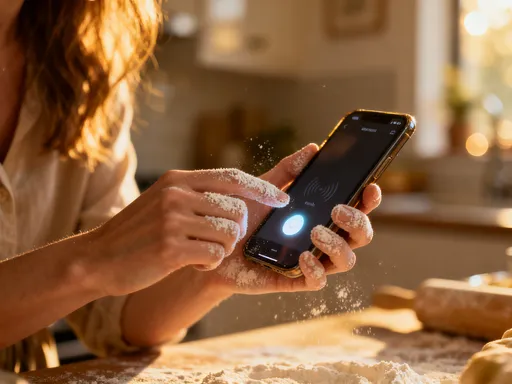
Picture this: You’re in the middle of making dinner. One hand is stirring pasta, the other is wiping a toddler’s face, and your phone starts ringing. It’s your sister—the one who only calls when something’s up. You can’t ignore it, but you can’t drop everything either. This is where voice assistants come in, and no, they’re not just for setting timers or playing music.
On iPhones, say “Hey Siri, answer the call” and your phone will pick up—hands-free. If you’re on an Android, “Hey Google, answer” does the same. Even better, you can decline with a voice command if you’re in the middle of something important. “Hey Siri, send a message saying I’ll call you back in ten minutes”—and just like that, you’ve stayed connected without dropping a spoon or losing your cool.
I’ll never forget the first time I used this while driving home in the rain. My phone rang—my daughter’s school. I couldn’t reach it, but I said, “Hey Siri, answer,” and suddenly I was on the line, hands on the wheel, voice calm. The office staff just needed to confirm pickup, but that small moment showed me how much safer and easier life can be when your phone listens to you.
Setting this up takes minutes. On iPhone, go to Settings > Siri & Search, and make sure “Listen for ‘Hey Siri’” is on. For Android, open the Google app, tap your profile, go to Settings > Voice > Voice Match, and turn on “Hey Google.” Test it while you’re folding laundry or walking the dog. It’s not magic—it’s just tech finally working the way real life does.
Turning One Call Into Many: Hidden Group Calling Made Simple
Remember the last time you tried to plan a family birthday over text? The endless back-and-forth, the messages getting lost, someone replying a week later? Now imagine picking up the phone and having everyone on at once—no extra apps, no confusing links. That’s what built-in group calling can do.
On iPhone, open the Phone app, tap the “+” icon, add the numbers or contacts you want, and hit call. The first person answers, and you can keep adding others one by one. Android works similarly—start a call, then tap “Add call” and bring in more people. It’s not a conference line from the 90s. It’s smooth, clear, and feels like everyone’s in the same room.
Last month, I used this to plan my mom’s 75th birthday surprise. My brother in Chicago, my cousin in Texas, and me—we got on a group call while I was baking banana bread. We divided tasks, laughed about old stories, and hung up feeling like we’d already celebrated. No Zoom fatigue. No unread messages. Just voices, together.
The key is to keep it simple. Don’t try to add ten people at once. Start with three or four. If someone’s audio is low, tap their name and adjust the volume. If someone needs to leave, just tap “End” on their line—everyone else stays connected. And if the call drops? Just call the main person back and add the others again. It’s not perfect, but it’s close enough—and so much more personal than texting.
Think of it as the digital version of gathering around the kitchen table. No one’s staring at a screen. No one’s multitasking. You’re just listening, laughing, planning—being a family.
Making Calls Kinder for Aging Loved Ones
My mom loves to talk, but she hates her phone. “It’s too small,” she says. “I press the wrong button, and suddenly I’m in the camera.” If this sounds familiar, you’re not alone. For many older adults, smartphones feel more like puzzles than tools. But there are simple settings that can make calling easier—and that means more connection, less frustration.
One of the most helpful is Voice Control. On iPhone, go to Settings > Accessibility > Voice Control. Turn it on, and your mom can say “Call Sarah” or “End call” without touching the screen. Android has a similar feature under Accessibility called Voice Access. It’s not instant—it takes a day or two to get used to—but once it clicks, it’s life-changing.
Another quiet hero is Larger Text. In Accessibility settings, you can make the font huge—so big that names are easy to read, buttons are hard to miss. Combine that with a favorite contacts widget on the home screen, and suddenly calling becomes simple again.
I set this up for my mom remotely using Apple’s Family Sharing. I signed into her phone from mine, adjusted the settings, and walked her through it on a video call. “See? Now you just say ‘Hey Siri, call my daughter’—no looking, no tapping.” The next day, she called me just to say, “It worked!” That small win gave me more peace than any app ever could.
And don’t forget volume. In Accessibility > Audio/Visual, you can turn on “Phone Noise Cancellation” and “Audio Routing” so calls are clearer, especially in noisy rooms. Some phones even let you boost the volume beyond the usual max. These aren’t fancy features—they’re kindness features. They say, “I see you. I want you to be able to reach me.”
When You Can’t Speak: Sending Silent Updates Mid-Call
There are moments when you’re on a call but can’t talk. Maybe you’re in a meeting, maybe your baby finally fell asleep, or maybe you’re just too overwhelmed to form words. In those times, silence doesn’t have to mean disconnection. Some smartphones let you send silent updates during an active call—quick, thoughtful messages that say, “I’m here, I’m listening, I care.”
On iPhone, when you’re on a call, swipe up from the bottom of the screen (or tap the arrow in the upper left on newer models) to open the call options. You’ll see buttons like “Message,” “Mute,” and “Camera.” Tap “Message,” and you can send a pre-written text like “I’m in a meeting, will talk later” or “Baby’s sleeping—call you tonight.” The other person sees it instantly, no need to hang up.
I started using this when my daughter was in the hospital last year. My sister called every day, worried, wanting details. But sometimes I was in the hallway, talking to a nurse, or just too tired to speak. Instead of ignoring her call, I’d tap “Message” and send, “Still here. Love you.” She told me those little notes kept her from spiraling. They were proof I hadn’t shut her out.
On Android, the feature works similarly. During a call, tap the message icon (usually a speech bubble), and choose from preset replies or type a quick one. You can even set these up in advance—go to Phone app settings, find “Quick responses,” and customize them to fit your life.
These silent updates aren’t about avoiding conversation. They’re about honoring the moment. They let you stay connected without breaking silence. And sometimes, that’s exactly what love looks like.
Saving Time with Call Routines and Smart Labels
How many times have you missed a call from the school nurse because it came in as “Unknown Number”? Or ignored your vet because you thought it was a telemarketer? We’re all busy, but important calls shouldn’t get lost in the noise. That’s where smart calling features come in—ones that label, prioritize, and even automate your response.
Both iPhone and Android can now identify and label incoming numbers. If your child’s school calls, it might show up as “Maplewood Elementary – Nurse’s Office.” The vet? “Green Valley Animal Clinic.” This isn’t magic—it’s built-in caller ID powered by data and user reports. To turn it on, go to your Phone app settings and enable “Silence Unknown Callers” (iPhone) or “Filter Spam” (Android). You’ll still get the calls in your log, but they won’t ring through unless you want them to.
But here’s the real game-changer: call-triggered routines. On iPhone, use Shortcuts in the Automation tab. Create a personal automation that says, “When a call is received from [Dad], turn on Home Lights.” So when he calls from the highway at night, your porch light comes on—subtle, but comforting. Android users can do similar things with Google Assistant routines: “When I get a call from Mom, set the thermostat to 72.”
I set up a routine for my daughter’s school. Now, when they call, my phone automatically silences itself—no more loud ringtones during her class time—and sends a quick “On my way” message if I miss it. It’s saved me so much stress. I know I won’t miss anything important, and I don’t have to keep checking my phone like a hawk.
These aren’t just time-savers. They’re peace-of-mind tools. They let you live your life without constantly worrying about the next call.
The Emotional Upgrade: How Smarter Calls Bring You Closer
At the end of the day, none of this is really about technology. It’s about the people on the other end of the line. It’s about your mom hearing your voice when she’s lonely. It’s about your sister feeling seen when you answer mid-chaos. It’s about your child knowing you’re just a call away, even when you’re not in the same room.
Smart calling features don’t replace real connection—they deepen it. A voice note sent during a call carries the catch in your throat, the smile in your voice. A group call lets your nephew in Seattle hear his baby cousin’s first word. A silent message says, “I’m here,” even when you can’t speak.
These tools don’t ask for your data. They don’t require a subscription. They’re already on your phone, waiting to be noticed. And when you use them, you’re not just being efficient—you’re being present. You’re saying, “You matter. This moment matters.”
So this week, try one thing. Turn on Voice Control for your parents. Set up a group call with your siblings. Send a silent “I love you” during a busy day. Notice how it feels. Notice if your heart feels a little lighter, if the distance feels a little smaller.
Because the truth is, we don’t need more ways to talk. We need better ways to be heard. And sometimes, the quietest upgrades make the loudest difference.