What if Your Ride-Hailing App Could Help Your Family Stay in Sync—Without the Chaos?
Working from home has changed how we move, connect, and coordinate as families. Between school runs, grocery stops, and last-minute errands, it’s easy to feel like everyone’s on a different schedule. I used to juggle pickups and drop-offs while stuck in back-to-back Zoom calls—until I realized my ride-hailing app could do more than just get me a ride. It quietly became a tool for smoother family rhythms, less stress, and better teamwork. This is how it transformed our daily chaos into calm.
The Hidden Stress of “Flexible” Work-from-Home Life
When I first started working from home, I imagined long stretches of quiet focus, the luxury of sipping coffee while answering emails, and maybe even sneaking in a midday walk. But the reality? My laptop is now always open, and my time feels more fragmented than ever. The freedom to work from anywhere quickly turned into the pressure to be available everywhere—at my desk, in the kitchen, driving to soccer practice, and somehow still present for my kids’ questions about homework. Without the natural boundary of a commute, the day blurs into one long loop of tasks. I’ve missed parts of virtual meetings because I was helping my son find his gym shoes. I’ve forgotten to pick up my daughter because her schedule changed and I didn’t notice until her text lit up my phone: Mom, I’ve been waiting for 20 minutes.
It’s not that I don’t want to be there for my family. Of course I do. But trying to do it all—be the attentive employee, the reliable driver, the organized planner—left me feeling stretched thin. I wasn’t fully present at work, and I wasn’t fully present at home either. The guilt piled up. I started wondering: Is this what “flexibility” really means? Is it supposed to feel this exhausting? The truth is, working from home didn’t give me more time. It just made the demands more constant. And the hardest part? No one talks about how much driving we still do. Even if we’re not commuting to an office, we’re still shuttling kids, running errands, and squeezing in appointments. The car keys are still in my hand more than I’d like.
That’s when I started looking for small ways to reclaim time—real, tangible minutes that could add up. And that’s when I noticed something: my ride-hailing app was already on my phone. I used it for trips to the airport or when I didn’t want to park downtown. But what if it could do more? What if it wasn’t just for me, but for all of us?
How Ride-Hailing Quietly Became a Family Coordination Tool
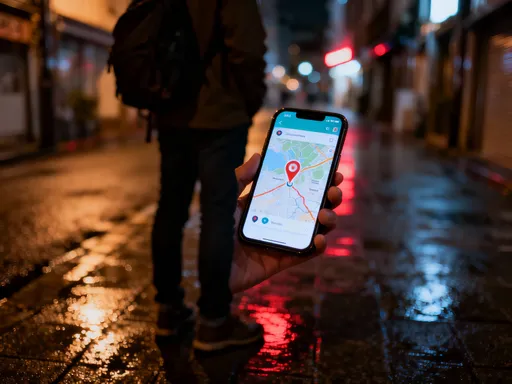
I’ll admit it—I didn’t think of Uber or Lyft as a family tool at first. It felt like a personal convenience, something for busy professionals or weekend outings. But then my teenage daughter asked if she could take a ride to her friend’s house after piano lessons. I hesitated. I really didn’t want to drive in that evening traffic. But I also didn’t want to say no. So I said yes—with a condition: she had to share her trip with me in real time. I watched her route on my phone, saw the car arrive, and got a text when she arrived safely. And in that moment, something shifted. I wasn’t stressed. I wasn’t stuck in traffic. And she felt trusted.
That small experiment opened my eyes. What if we used this tool more intentionally—not just for fun, but for function? I started thinking about all the times I’d canceled plans, delayed work, or rushed through dinner just to drive someone somewhere. What if those moments didn’t have to be mine to manage? What if we could treat ride-hailing like a shared family resource, like our grocery delivery subscription or our calendar app?
So I tried it. My son had a late science club meeting. Instead of rearranging my afternoon, I scheduled a ride for him to get home. I stayed on my call, finished my presentation, and later heard him laughing with his friend in the back seat through the shared audio message he sent. My husband needed to get to a dental appointment during his lunch break—no parking downtown, no stress. He took a ride. Even my mom, who lives nearby, started using it for her weekly grocery trips when her shoulder was bothering her. It wasn’t about replacing family care. It was about making care more sustainable.
These weren’t grand changes. But over time, they added up. The app became part of our rhythm. It wasn’t magic—it was just a small shift in how we thought about mobility. Instead of assuming every trip had to be driven by one of us, we started asking: Does this have to be a family burden? Or can technology help carry some of the weight?
Building a “Family Mobility Plan” Without Extra Work
Here’s the thing: I didn’t want to spend more time managing rides. I already had enough to do. So I looked for ways to make it simple—almost automatic. The first step was mapping out our weekly rhythm. I sat down with the family calendar and made a list: soccer practice on Tuesdays, violin lessons on Thursdays, grocery day on Saturdays, my husband’s early meetings on Wednesdays. Then I asked: Which of these trips cause stress? Which ones overlap with work calls or other commitments?
We found a few recurring pain points. My daughter’s Thursday lesson ended at 5:15, right when I was usually in a team meeting. My son’s Saturday games were across town, and I often had to leave work early to make it. These weren’t emergencies, but they were constant sources of low-grade stress. So we decided to offload them. I saved the studio and the sports field as frequent destinations in the app. I set up a family profile so everyone could use the same payment method—no need to ask for money or track receipts.
Then came the automation. I started scheduling rides in advance—especially for predictable events. Every Thursday at 5:10 PM, a ride is already booked for my daughter. She walks out, gets in, and I get a notification when she’s on her way. No last-minute panic. No missed calls. Same for Saturday games. My son texts me when the game ends, and I tap a saved shortcut to send a car. It takes less than ten seconds. We didn’t need a complex system. Just consistency and a few smart habits.
And here’s what surprised me: it didn’t cost as much as I feared. Because we used it for specific, high-stress trips—not every little outing—the expense stayed manageable. Plus, I started using ride credits from my credit card rewards and occasional promotions. It wasn’t about spending more money. It was about trading a small cost for a big return: time, peace of mind, and fewer arguments about who’s driving where.
Real Talk: Cost, Trust, and Letting Go of Control
I know what some of you might be thinking: Isn’t this expensive? What about safety? Can I really trust a stranger to drive my kids? I had all those questions too. And I didn’t jump in blindly. I started small, with trips I could monitor closely. I also set boundaries. My kids know they can only use rides for approved locations—school, home, their activities, and a few trusted friends’ houses. No random drop-offs. No last-minute changes without checking in.
Cost was a concern, but I found ways to keep it under control. We don’t use ride-hailing for every trip. We still walk when we can, bike when the weather’s nice, and carpool when schedules align. But for the trips that disrupt our day or cause stress, it’s worth it. I also looked into family plans and group pricing options. Some apps offer discounted rates for recurring rides or multi-leg trips. And I combined errands when possible—like sending a ride to pick up groceries while also bringing my daughter home from practice. A little planning goes a long way.
As for safety, the app’s features helped a lot. Real-time tracking lets me see the driver’s name, car model, and license plate. I can share the trip with another family member. Some apps even let you set geofenced arrival alerts—so I get a notification the moment my child steps out of the car. I also taught my kids what to do: check the driver’s info before getting in, sit in the back, share their location, and call me if anything feels off. It’s not about fear. It’s about preparation.
And honestly, letting go of control was the hardest part. I’m used to being the one behind the wheel, the one making sure everything runs smoothly. But I’ve learned that being a good parent doesn’t mean doing everything myself. It means knowing when to step back and let other tools—and other people—help. My kids feel more independent. I feel more at ease. And we all get to spend more time together when it matters.
When Tech Meets Emotional Relief: Less Driving, More Being
Here’s what no one tells you: driving for your family can feel like love. You wake up early to drop someone off. You circle the block waiting for a text. You drive through rain, traffic, and exhaustion because you don’t want them to be late. And yes, it’s an act of care. But it’s also exhausting. And when you’re behind the wheel all the time, you’re physically present—but mentally, you’re already thinking about the next task, the next meeting, the next thing on the list.
When I started using ride-hailing more intentionally, I noticed something unexpected: I had more emotional energy. I wasn’t drained by hours of driving. I wasn’t rushing. I wasn’t multitasking in the car. And because of that, I was more present at home. I made eye contact during dinner. I actually listened to my kids’ stories. I had space to breathe.
One evening, my daughter came home from a ride, dropped her bag, and said, “Can we bake cookies?” In the past, I would’ve said, “Not tonight, I’m too tired.” But that night, I wasn’t. I said yes. And we spent an hour laughing, measuring flour, and burning the first batch. It wasn’t about the cookies. It was about the moment. That’s the real benefit of this small change: it didn’t just save me time. It gave me back presence.
Technology often gets blamed for pulling us apart—glued to screens, distracted, disconnected. But when used with intention, it can do the opposite. It can create space for connection. It can relieve the invisible labor that so many of us carry. And it can help us show up—not just as drivers, but as parents, partners, and people who want to enjoy their lives.
Teaching Teens Independence (Without Losing Peace of Mind)
My son turned 16 last year. And with that came the usual requests: “Can I go out with friends?” “Can I stay late at school?” “Can I have more freedom?” I wanted to say yes. But I also worried. How would he get home? Would he be safe? What if plans changed?
Instead of saying no—or worse, micromanaging every detail—we made a plan. He could use ride-hailing for approved outings, but with clear rules. He had to text me before booking. He had to share the trip. He had to check in when he arrived. At first, he rolled his eyes. “Mom, I’m not a baby.” But over time, he started following the routine without being asked. And I stopped feeling anxious.
One Friday, he went to a study group across town. I was working late. He booked a ride home, sent me the link, and called when he got in the house. I didn’t have to interrupt my work. He didn’t have to wait for me. And when I got home, he was already asleep—no stress, no tension. It felt like a win for both of us.
This isn’t about surveillance. It’s about trust with safeguards. I’m not watching his every move. I’m giving him room to grow while knowing he has a safe way home. And he’s learning responsibility—how to plan, how to communicate, how to make good choices. That’s the kind of independence that lasts.
Looking Ahead: Smarter Families, Smarter Cities
We don’t know exactly what the future of work and family life will look like. But we do know this: remote work is here to stay. Schedules are more fluid. And the old rhythms—school bell to office door, home by six—don’t fit anymore. That means we need new tools. Not to replace human connection, but to protect it.
Using ride-hailing as a family coordination tool isn’t about being trendy. It’s about being practical. It’s about recognizing that our time is valuable, our energy is limited, and our relationships matter more than ever. Small tech choices—like scheduling a ride instead of rearranging your day—can have a big ripple effect. They can reduce stress. They can create space for laughter. They can help us feel more in sync, even when we’re moving in different directions.
And when families thrive, communities thrive. Imagine neighborhoods where parents aren’t stuck in cars all day. Where teens learn independence safely. Where older adults can stay mobile without relying on others. This isn’t science fiction. It’s possible—right now—with tools we already have.
Technology doesn’t have to steal our time. It can give it back. It doesn’t have to isolate us. It can bring us closer. The key is using it with purpose—aligning it with what we value most: connection, calm, and the chance to be fully present in our own lives. So the next time you’re juggling schedules, feeling overwhelmed, or wondering how you’ll make it all work—ask yourself: could a simple ride make room for something bigger? Because sometimes, the smallest shift is the one that changes everything.