It’s Not Just Safety Apps: How Family Tech Planning Actually Brought Us Closer
You know that moment when your child calls from school, and your heart skips because you don’t recognize the number? I’ve been there. Like many of us, I once thought family safety tech was just about tracking locations or setting alerts. But after a simple mix-up turned into real panic, I realized I’d misunderstood what true safety really means. It’s not surveillance—it’s connection, trust, and knowing everyone’s safe without constant checking. What started as a tool to ease my worries ended up transforming how we communicate, respect each other’s space, and support one another—no matter where we are.
The Misunderstood Meaning of “Family Safety”
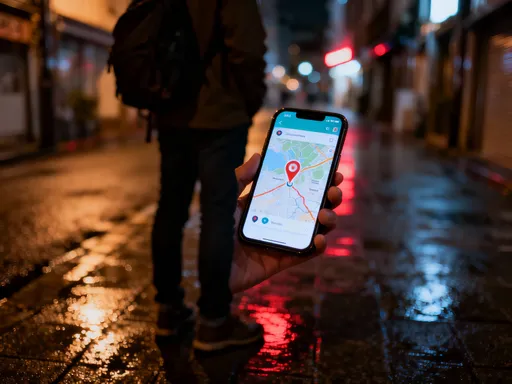
Let’s be honest—when we hear “family safety tech,” most of us picture location trackers, geofences, or emergency buttons. I did too. A few years ago, my daughter forgot to text me after school, and when an unknown number called, I assumed the worst. I opened the tracking app immediately, heart pounding, only to see she was exactly where she was supposed to be—just with a dead phone. That moment scared me, not because she was in danger, but because I had already jumped to conclusions. I realized then that I wasn’t using the app for safety—I was using it to manage my anxiety.
That’s the trap so many of us fall into. We think constant visibility equals control, and control equals safety. But the truth is, real safety isn’t about knowing every move our kids make. It’s about knowing they’re okay—and more importantly, knowing they feel supported, not watched. When we rely too much on digital tracking, we risk turning our homes into mini-surveillance zones, where trust is replaced with data checks and suspicion creeps in. I started noticing how my daughter would roll her eyes when I asked, “Where are you?” even when I already knew from the app. She didn’t feel protected—she felt policed.
So I asked myself: What kind of safety am I really creating? Is it making us feel closer, or just making me feel less anxious? The answer changed everything. Real family safety isn’t about the technology itself—it’s about how we use it. It’s about emotional security, clear communication, and building a sense of mutual trust. Once I shifted my mindset from “watching” to “connecting,” the way we used tech at home began to change in ways I never expected.
The Myth of Constant Connection = Safety
We live in a world where being connected 24/7 feels like a necessity. As parents, we tell ourselves that if we can just see our kids’ locations anytime, we’ll always know they’re safe. But here’s the hard truth: constant connection doesn’t always mean safety—it can actually create more fear. I learned this the hard way when my son’s phone lost signal during a school field trip. The app showed him stuck at the same location for over an hour. My mind raced: Was he hurt? Was he alone? I called the school, panicked, only to find out they were hiking through a forest with no reception. He was perfectly fine—just out of range.
This kind of false alarm happens more than we admit. A dead battery, a forgotten phone, or a weak signal can trigger real anxiety—especially when we’ve trained ourselves to rely on that little dot on the map. The problem isn’t the technology; it’s our dependency on it. When we treat location data like a lifeline, we stop trusting our kids’ judgment and our own instincts. We start making decisions based on incomplete or delayed information, which can lead to overreactions, misunderstandings, and unnecessary tension at home.
What I’ve come to understand is that true safety isn’t measured by how often we check in—it’s measured by how well we communicate. My daughter and I now have a simple rule: “If your phone dies or you’re going somewhere with bad signal, let me know before you go.” It’s not about control—it’s about responsibility and care. We’ve replaced constant pings with honest conversations, and the result? Less stress for both of us. I don’t need to check the app every hour because I know she’ll reach out if something changes. That’s real safety—built on trust, not tracking.
How Data Reliability Shapes Real Trust
Here’s something most safety apps don’t advertise: their data isn’t always accurate. Location updates can be delayed, GPS signals can jump, and apps can crash without warning. I didn’t realize how much this affected our sense of security until one evening when my son was supposed to be home by 6:30. The app showed him arriving at 6:25, but he never walked through the door. I waited, then called—no answer. After 20 minutes of rising panic, he finally showed up, phone in hand, saying, “Oh, the app probably didn’t update. I was stuck in traffic.” That moment shook me. I had believed the data without question, and it misled me.
When we rely on technology for peace of mind, we assume it’s always working correctly. But the truth is, no app is perfect. Delayed updates, incorrect addresses, or even simple bugs can create dangerous gaps in information. Imagine thinking your child is safe at a friend’s house when the app hasn’t refreshed in 30 minutes—or worse, thinking they’ve left when they’re still inside. These aren’t rare glitches; they’re common enough to be a real concern. And when we build our sense of safety on unreliable data, we’re not protecting our families—we’re setting ourselves up for unnecessary stress and potential mistakes.
The solution isn’t to track more—it’s to choose tools that are honest about their limitations. I now look for apps that show when data was last updated, that notify me if a device is offline, and that don’t pretend to know more than they do. Transparency matters. If an app says, “Location not updated in 15 minutes,” I know to reach out directly instead of assuming. This small shift—trusting the process, not just the data—has made a huge difference. It’s not about perfection; it’s about knowing when to rely on technology and when to pick up the phone and talk.
Choosing Tools That Protect Privacy and Peace
Just because a safety app can show you everything doesn’t mean it should. I used to think more features meant better protection—live location, message monitoring, call logs. But when I tried setting up one of those all-access apps with my teenager, I hit a wall. She looked at me and said, “If you don’t trust me, why should I use this?” That question stopped me cold. I realized I wasn’t offering her safety—I was asking for control. And that’s not what family is about.
Now, I look for tools that respect privacy as much as they provide protection. I want apps with end-to-end encryption, so no one—not even the company—can see our data. I choose ones that require permission to share location, so my kids feel like partners, not subjects. And I prefer platforms that automatically delete old data, so there’s no digital trail hanging over anyone’s head. These aren’t just technical features—they’re signals of respect. When my daughter sees that I’m using a tool that protects her privacy, she’s more willing to use it. It’s not about surveillance; it’s about shared responsibility.
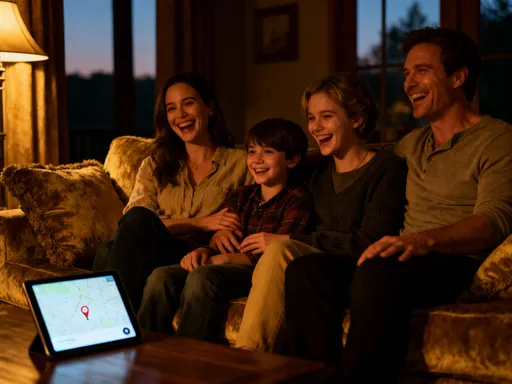
One of the best decisions we made was switching to an app that lets each family member choose what to share and when. My son turns on location only during school hours or when he’s out late. My daughter uses it to send quick “I’m home” alerts. I don’t have constant access, but I have peace of mind—because we agreed on the rules together. That’s the key: technology works best when it’s built on consent and trust, not fear and control. When kids feel respected, they’re more likely to cooperate. And when parents respect boundaries, they build stronger, more honest relationships.
Building Safety Habits, Not Dependencies
Technology should support good habits—not replace them. That’s a lesson I had to learn the hard way. At first, I treated our safety app like a substitute for communication. Why talk when I could just check the map? But over time, I noticed that our real conversations were shrinking. We were exchanging less, assuming more, and connecting less. That’s when I realized: no app can replace the sound of my child’s voice saying, “Mom, I’m on my way.”
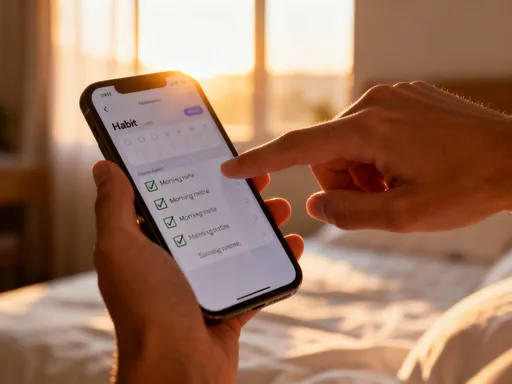
So we started building routines that blended tech with real-life connection. We set up a shared family calendar where everyone marks their plans—soccer practice, study groups, sleepovers. Before heading out, we do a “digital handshake”—a quick status update through the app: “Leaving now,” “On the bus,” “Home safe.” It’s not constant monitoring; it’s a gentle check-in, like a wave across the room. The app supports the habit, but the habit comes from us.
These small rituals have made a big difference. My anxiety has dropped because I’m not guessing—I’m informed. But more than that, my kids feel trusted, not tracked. They know the system isn’t about control; it’s about care. And because we all participate, it feels fair. We’ve also added emergency alerts that everyone agrees on—like pressing a button if they feel unsafe. But we don’t rely on it daily. Instead, we use it as a backup, not a crutch. The goal isn’t to depend on technology—it’s to use it wisely, so we can live more freely.
Teaching Kids the “Why” Behind the Tech
One of the biggest turning points in our family’s tech journey was when I stopped saying, “Just use it because I said so,” and started explaining why. I sat down with my kids and talked about real risks—not to scare them, but to empower them. We discussed how phones can be lost, how strangers might try to get information, and why it’s important to know who can see their location. I compared encryption to a locked diary—something only they can open. I explained that sharing location with family is like giving a key to the house: it’s not about control, it’s about access in case of emergency.
When they understood the “why,” everything changed. My daughter started using the app without being reminded. My son even suggested adding a feature where he could temporarily pause sharing when he was at a friend’s house. They weren’t resisting anymore—they were engaging. Because they saw the tool as something that protected them, not policed them, they took ownership of it.
I also made sure to listen to their concerns. When my daughter said she didn’t want her location shared during lunch break, we adjusted the settings together. When my son worried about battery life, we found a low-power mode that still sent updates. These conversations weren’t about winning arguments—they were about building understanding. And that’s the real gift of family tech planning: it gives us a reason to talk about safety, responsibility, and trust in a way that’s practical and meaningful. When kids feel included, they’re more likely to cooperate—and more likely to stay safe.
From Fear to Calm: The Real Outcome of Smart Planning
There was a moment recently that told me we’d finally gotten it right. I realized I hadn’t checked my daughter’s location in three days. Not because I forgot—but because I didn’t need to. She’d texted when she left school, called when her phone died, and sent a quick “home safe” alert when she got back. I felt calm, not anxious. And that calm wasn’t from the app—it was from the trust we’d built, the habits we’d created, and the conversations we’d had.
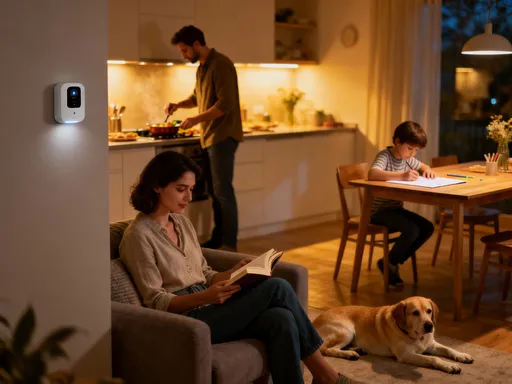
That’s the real outcome of thoughtful family tech planning. It’s not about having the most features or the best tracking. It’s about creating a system that supports your family’s values—trust, respect, and connection. The best technology doesn’t shout for attention; it works quietly in the background, like a well-placed nightlight. It’s there when you need it, but it doesn’t disrupt the peace.
Today, our family feels safer—not because we’re constantly monitored, but because we communicate better, respect boundaries, and know we have a plan. The apps we use are just tools, but what they’ve helped us build is something deeper: a sense of calm, confidence, and closeness. We’re not just safer—we’re more connected. And that, to me, is what true family safety really means.