Tracked Every Watt for 6 Months: The System That Made Me a Smarter Energy Saver
Living at home, I used to dread opening the electricity bill. It felt like a mystery—why was it so high? Was it the AC? The fridge? The lights left on in the hallway again? I’d stare at the number, frustrated and a little guilty, wondering where all that power had gone. Then one day, after what felt like a completely normal month, the bill came in even higher than the last. That’s when I decided enough was enough. I didn’t want to just worry about it anymore—I wanted to understand it. So I started tracking every watt. What began as a simple attempt to save money turned into something much more meaningful: a journey of awareness, control, and purposeful living in my own home.
The Moment I Decided to Take Control of My Electricity Use
It wasn’t a dramatic moment, not in the way movies show it. There was no storm outside or dramatic music. Just me, standing in the kitchen, holding a piece of paper with a number on it that made my stomach drop. $187. For a month that felt completely ordinary. We hadn’t run the air conditioner nonstop. No guests staying over. No holiday lights or extra gadgets plugged in. And yet, there it was—the highest bill we’d seen in over a year. I remember folding the bill and putting it back on the counter, not wanting to talk about it. But the truth was, I couldn’t stop thinking about it.
That number haunted me. It wasn’t just the cost—though yes, that mattered. It was the feeling of being out of control. Like my home was quietly draining resources without my permission. I started questioning everything. Was the refrigerator working too hard? Was the water heater running all night? Did we really need to leave the TV on standby, or the coffee maker plugged in 24/7? I realized I had no real answers. I was making guesses, not decisions. And that lack of clarity made me feel powerless.
Then it hit me: I was treating my electricity like a mystery instead of a measurable part of daily life. I track my steps, my sleep, even my water intake—why not my energy use? That’s when I made the decision: no more guessing. I wanted to see, in real time, what was using power and when. Not because I wanted to live like I was off the grid, but because I wanted to live with intention. I wanted to know where my money was going and feel good about how I was using it. That simple shift—from passive consumer to active observer—changed everything.
Discovering Smart Energy Monitoring: A Game-Changer in Plain Sight
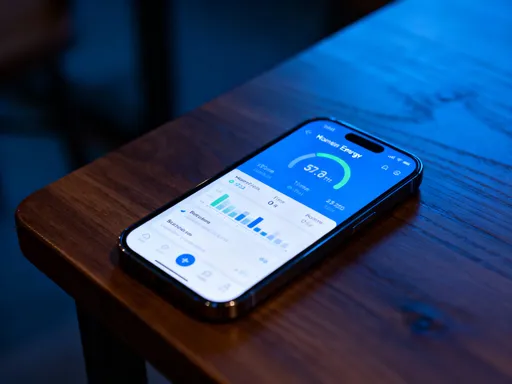
I’ll admit, I wasn’t always tech-savvy. The word “monitoring” made me think of complicated dashboards, blinking lights, and confusing settings. But what I found was surprisingly simple. I chose a plug-in energy monitor—just a small device that goes between your appliance and the wall outlet. It connects to an app on your phone, and suddenly, you can see exactly how much power that lamp, TV, or space heater is using. No wiring, no electrician, no stress. I started with the big ones: the living room TV, the bedroom heater, and yes, the coffee maker that had been plugged in since last winter.
The first time I opened the app, I gasped. The TV, which I thought was “off,” was still pulling 15 watts in standby mode. That doesn’t sound like much, but over a month? That’s like leaving a small light on 24/7. And the coffee maker? Even when not brewing, it was using energy to keep the clock running and the heating plate warm. Little things, yes—but they added up fast. I remember showing my partner the screen and saying, “We’re paying to keep a clock alive?” We both laughed, but it wasn’t really funny. It was eye-opening.
What surprised me most wasn’t the numbers—it was how quickly I started to care. This little device gave me something I didn’t know I was missing: clarity. It was like someone finally handed me a flashlight in a dark room. I wasn’t just guessing anymore. I could see. And with that visibility came a sense of control I hadn’t felt in years. I didn’t need to overhaul my life. I just needed to make smarter choices, one appliance at a time. The monitor didn’t judge me. It didn’t shame me. It just showed me the truth. And that truth? It was empowering.
Turning Data into Daily Habits: Small Shifts, Big Impact
Once I could see the data, I started playing with it—like a game. I’d unplug the TV completely and check the app the next morning to see how much we’d saved. I began turning off power strips before bed, especially in the living room where multiple devices were always “on.” I even started unplugging the toaster and coffee maker after breakfast. At first, it felt like a chore. But soon, it became a habit. A satisfying one. There was something deeply rewarding about watching the daily energy total go down.
I remember one Saturday when we hosted friends for dinner. The next morning, I opened the app expecting a spike. And yes, it was higher—but not as high as I feared. We’d used the oven, the lights, the music system, and the dishwasher. But because we’d turned things off when not in use, the increase was manageable. I actually felt proud. It was like passing a test I didn’t know I was taking. That’s when it clicked: this wasn’t about deprivation. It was about awareness. I wasn’t giving up comfort. I was just using energy more wisely.
My partner started getting into it too. We began having little conversations like, “Did you remember to turn off the fan?” or “We’re on track for a low-energy week!” It became a shared ritual, not a nagging chore. We even started a friendly competition—seeing who could remember to unplug more devices by the end of the day. It sounds silly, maybe, but it brought a little fun into something that used to feel stressful. And the best part? The next bill dropped to $142. Not perfect, but a real improvement. That number didn’t just represent savings—it represented effort, awareness, and a new way of living.
How Saving Energy Sparked a Deeper Interest in Sustainable Living
What started as a money-saving experiment quietly grew into something bigger. I found myself paying attention to things I’d never noticed before. Like when I was shopping for a new toaster, I actually checked the energy rating. Or how I started timing my laundry to run during off-peak hours, when electricity rates were lower. I even began adjusting the thermostat by just one degree—cooler in winter, warmer in summer—and realizing how little it affected our comfort.
These small choices started adding up to a bigger mindset shift. I wasn’t just trying to save money anymore. I was becoming more intentional about how I lived. I began to see my home not just as a place to rest, but as a system—one where every decision had a ripple effect. That awareness spilled over into other areas. I started using reusable containers more, cutting down on single-use plastics. I paid more attention to water usage, turning off the tap while brushing my teeth, shortening showers. It wasn’t a full eco-overhaul, but it was a beginning.
The energy monitor became more than a tool. It became a teacher. It taught me patience—real change takes time. It taught me mindfulness—small actions matter. And it taught me responsibility—not just for my wallet, but for the world outside my front door. I started reading about how household energy use contributes to carbon emissions. I learned that if every home reduced standby power by just 10%, it could make a measurable difference. That knowledge didn’t make me feel guilty. It made me feel capable. Like I wasn’t just one person in a big system—I was part of the solution.
Sharing the Experience: How It Strengthened My Home Life
One of the most unexpected benefits was how this journey brought my partner and me closer. We’ve always been a team, but this gave us a new shared goal. Instead of one person feeling responsible for “saving energy,” it became something we did together. We’d talk about it over dinner—“Did you see how low yesterday was?” or “Let’s try to beat last week’s average.” It became a positive topic, not a source of tension.
There was one Friday night when we decided to have a “low-energy evening.” We turned off all non-essential lights, used candles, and watched a movie on a tablet instead of the big TV. We made popcorn on the stove instead of using the microwave. It wasn’t about living in the dark—it was about being present. And you know what? It was one of the coziest nights we’d had in months. We laughed, we talked, we slowed down. The energy bill that week reflected it too—our lowest yet.
What surprised me most was how this technical tool improved our emotional connection. It gave us a shared language around care—not just for our home, but for each other. We weren’t cutting back to survive. We were choosing to live with more awareness and purpose. And that choice brought us closer. It wasn’t about sacrifice. It was about alignment. We were on the same page, working toward the same quiet goal: a home that felt good, not just financially, but emotionally.
Practical Tips for Starting Your Own Energy-Saving Journey
If you’re thinking about trying this, I want you to know: you don’t need to be perfect. You don’t need to spend hundreds of dollars or turn your life upside down. Start small. Pick one appliance—maybe the TV, the coffee maker, or the space heater—and get a plug-in monitor for it. They’re affordable, easy to set up, and give you real-time feedback. Just seeing the numbers can be enough to spark change.
Set a simple goal. Maybe it’s reducing your next bill by 10%. Or cutting standby power in half. Check the app once a day, like you would your step count. Celebrate small wins. Did you remember to unplug the iron? Great. Did the family turn off the lights when leaving a room? Even better. Progress, not perfection.
Involve your household. Make it a game. Challenge the kids to find “energy vampires” around the house. Turn off power strips together before bedtime. Share the weekly total at dinner. Make it normal. Make it fun. And if you forget sometimes? That’s okay. This isn’t about guilt. It’s about growth. The most important thing is to start. One monitor. One habit. One change at a time. That’s how real transformation happens—not in giant leaps, but in small, steady steps.
Why This Matters Beyond the Meter: Peace of Mind and Personal Empowerment
Now, when the electricity bill arrives, I don’t dread it. I open it with curiosity. Sometimes the number is higher—like during a heatwave when the AC runs more. But now I understand why. I can look at the data and say, “Yes, that makes sense,” instead of feeling confused or frustrated. That shift—from anxiety to understanding—is priceless.
But the real reward isn’t just in the savings. It’s in the quiet confidence that comes from knowing you’re in control. In a world that often feels unpredictable—inflation, climate concerns, daily stress—this is one thing I can manage. I can’t fix everything, but I can make smarter choices in my own home. And that sense of agency? It spills over into other parts of life. I feel more capable. More aware. More grounded.
Tracking my energy use didn’t just help me save money. It helped me live more intentionally. It reminded me that small actions matter. That awareness is power. That taking care of your home is also a way of taking care of yourself. And maybe, just maybe, it’s a small step toward a more sustainable future—not because I’m trying to be perfect, but because I’m trying to be present.
If you’ve ever looked at your electricity bill and felt helpless, I want you to know there’s another way. You don’t have to accept the mystery. You can measure, learn, and grow. You can turn confusion into clarity, and waste into wisdom. It’s not about living with less. It’s about living with more—more awareness, more control, more peace. And that? That’s a home worth powering.