I Keep Failing My Goals Was My Mantra: How Adaptive Apps Quietly Changed My Routine
Starting a new goal feels exciting—until it doesn’t. You set big intentions, but life gets busy, moods shift, and your perfect plan collapses. I felt the same, until I discovered tools that adapt to me, not the other way around. They adjust to my energy, my schedule, even my mood. This isn’t about rigid tracking—it’s about working with real life. I used to beat myself up every time I missed a workout, skipped journaling, or let a to-do list pile up. But now, I see it differently. The problem wasn’t me. It was the tools I was using. They didn’t account for the messy, beautiful unpredictability of daily life. What changed? I found apps that don’t just track—they understand. And that small shift made all the difference.
The Breaking Point: When Goals Keep Failing No Matter How Hard I Try
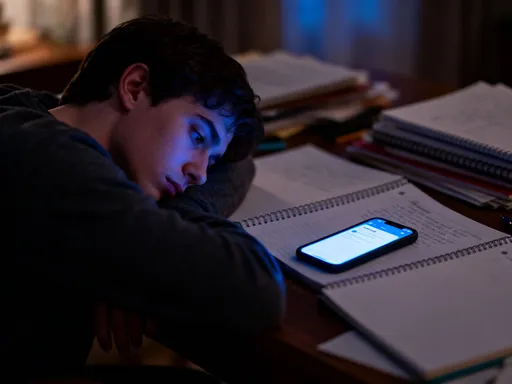
There was a morning, not too long ago, when I sat at my kitchen table with a cup of tea, staring at my phone. Another week had passed, and another goal had quietly died. This time, it was the 30-day yoga challenge I’d posted about on social media, hoping accountability would help. I made it to day nine. Then came a sick child, a last-minute work deadline, and suddenly, the mat was back in the closet. I remember feeling that familiar wave of disappointment—not just because I’d stopped, but because I’d failed again. It wasn’t the first time. It wasn’t the tenth. I’d tried planners, habit trackers, color-coded calendars. I’d set alarms, written affirmations, even bribed myself with coffee rewards. And yet, every few weeks, something would shift—a late meeting, a bad night’s sleep, a low-energy day—and the whole system would crumble.
What I didn’t realize then was that I wasn’t failing because I lacked willpower. I was failing because the systems I was using assumed I was the same every single day. They didn’t care that I was more tired on Wednesdays or that I felt inspired to write after dinner but never in the morning. They demanded consistency, but life offers rhythm. The guilt built up quietly, like dust on a shelf I never wiped. I started to believe I just wasn’t the kind of person who could stick with things. But then, I stumbled on something different. An app that didn’t scold me for skipping a day. One that didn’t mark me as ‘off track’ just because I rescheduled. It didn’t treat me like a machine. It treated me like a person.
Discovering Apps That Change With Me, Not Against Me
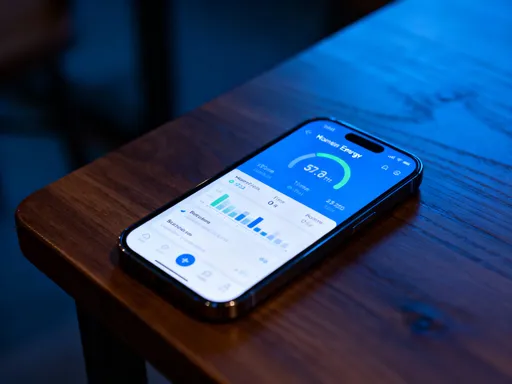
The first time I used an adaptive goal-tracking app, I didn’t expect much. I’d downloaded it on a whim, after reading a short article about ‘emotion-aware technology.’ I thought it sounded a little too sci-fi. But I was desperate. I set up a simple goal: walk 10,000 steps five days a week. The app asked me a few questions—not just about my schedule, but how I usually felt at different times of day. Did I have more energy in the morning? Did I tend to feel overwhelmed after 6 p.m.? I answered honestly, almost surprised someone—or something—was asking.
Then, something unexpected happened. On a day when I’d barely moved by 8 p.m., the app didn’t nag me. Instead, it said, ‘You’ve had a long day. Want to try a 10-minute walk after dinner? I’ll remind you when the dishes are done.’ I laughed. It felt like it knew me. And when I actually did the walk, it didn’t just check a box. It said, ‘Nice move! You just added 1,200 steps—and probably cleared your head too.’ No grand praise, no pressure. Just warmth. That small interaction changed everything. I realized this wasn’t a tracker. It was a partner.
What makes these apps different is their ability to adapt in real time. They use simple inputs—your check-ins, your activity patterns, even your phone’s location and usage—to adjust your plan. If you’re usually active at 7 a.m. but skip it, the app might suggest a stretch break at 10 a.m. instead of shaming you. If you’ve had three late nights in a row, it might scale back your goals gently, reminding you that rest is part of progress. This isn’t about lowering standards. It’s about honoring reality. Traditional apps treat missed tasks like failures. Adaptive ones treat them as data. And that small shift removes so much of the guilt that usually kills motivation.
How Adaptive Tech Understands What My Calendar Never Could
My old calendar was rigid. It assumed I could write for an hour every Tuesday at 9 a.m., no matter what. But some Tuesdays, I’d be drained from a Monday full of calls. Others, I’d wake up buzzing with ideas. The calendar didn’t care. It just sat there, silently judging. The adaptive tools I use now are different. They’ve learned, over time, that I’m most creative between 10 a.m. and noon. They’ve noticed I rarely stick to evening workouts unless I change clothes right after dinner. They’ve picked up on the fact that I respond better to gentle nudges than loud alarms.
One of the most powerful features is smart rescheduling. Let’s say I plan to do an online course lesson at 8 p.m. But that night, my daughter needs help with homework, and dinner runs late. In the past, I’d miss it—and feel guilty for days. Now, the app notices I didn’t open the lesson. Instead of marking it ‘missed,’ it asks, ‘Want to try this tomorrow morning before the kids wake up? It’s usually a calm time for you.’ And it’s right. That hour between 6 and 7 a.m. is often my quietest. I never thought to use it for learning—until the app suggested it.
These tools don’t just track time. They track energy, mood, and context. They reduce what experts call ‘decision fatigue’—that mental exhaustion from constantly choosing when to do what. By offering personalized, realistic suggestions, they take the weight off my shoulders. I don’t have to decide when to act. I just have to say yes or no. And when I say yes, it’s because the timing feels right. That’s the magic. It’s not about doing more. It’s about doing what matters, at the moment I’m most likely to succeed.
Real-Life Wins: From Overwhelmed to in Control—One Small Step at a Time
The changes didn’t happen overnight. But slowly, they added up. I finished a personal project I’d been avoiding for two years—a digital photo album for my parents’ anniversary. I didn’t do it in big bursts. I did it in 15-minute chunks, suggested by the app on days when I had light workloads and higher energy. It took three months, but I finished. And when I handed them the album, my mom cried. That moment wasn’t just about the photos. It was about proving to myself that I could follow through.
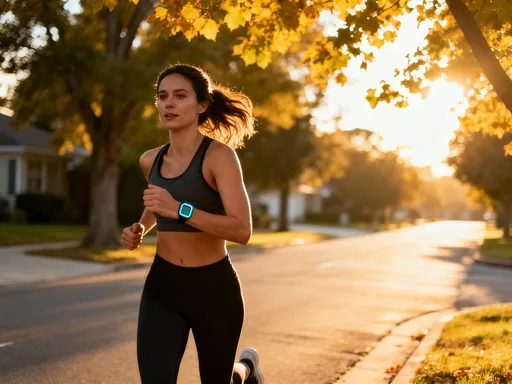
I also built a fitness habit that’s lasted over eight months—longer than any other attempt. The app didn’t push me to run every morning. Instead, it learned I enjoy walking with a podcast in the late afternoon. So that’s what it suggested. On days I felt strong, it encouraged a longer route. On tired days, it celebrated a short stroll. I stopped thinking of exercise as punishment. It became part of my rhythm.
One evening, my sister called and said, ‘You seem calmer lately. Did something change?’ I hadn’t even noticed. But she was right. I wasn’t constantly stressed about what I hadn’t done. I wasn’t carrying the weight of unfinished tasks. I was making progress—slow, steady, and kind. The emotional benefits were just as important as the productivity gains. I felt more in control, not because I was doing everything, but because I was doing what mattered, in a way that fit my life.
Making It Work for Your Life—No Perfect Habits Needed
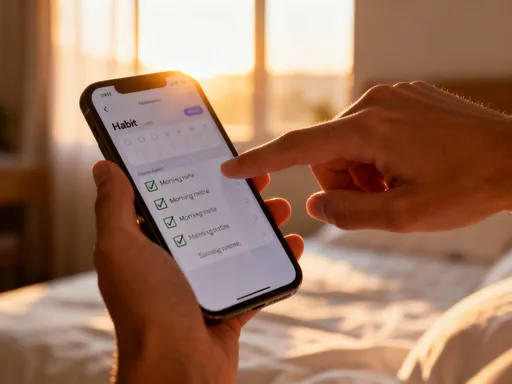
If you’re curious about trying adaptive tech, start small. Pick one goal that matters to you—something you’ve tried and struggled with before. It could be drinking more water, reading more, or calling a family member weekly. Then, look for an app that learns from your behavior. Many popular habit trackers now include adaptive features, like rescheduling missed tasks or adjusting reminders based on past activity. You don’t need the fanciest tool. You just need one that responds to you.
When setting it up, take a few minutes to answer the onboarding questions honestly. How do you feel at different times of day? What usually gets in the way? The more you share, the better it can support you. Then, let it guide you—not command you. If life changes—maybe you’re traveling, going through a stressful time, or in a busy season at work—don’t quit. Instead, let the app adapt with you. Most will automatically scale back suggestions during high-stress periods if you check in about your mood.
Remember, this isn’t about handing over control. It’s about getting support. These tools don’t make decisions for you. They just offer smarter suggestions, so you don’t have to figure everything out alone. And if you miss a day? That’s fine. The app won’t punish you. It’ll just ask, ‘Want to try again tomorrow?’ That small kindness makes it easier to begin again. You’re not failing. You’re learning. And the app is learning with you.
Beyond Productivity: How This Changed How I See Myself
The biggest shift wasn’t in my habits. It was in my mindset. For years, I measured my worth by how much I got done. If I checked off every task, I was good. If I didn’t, I was lazy. That black-and-white thinking left no room for being human. But adaptive tech helped me see that progress isn’t linear. It’s messy. It breathes. And it’s okay.
When your tools respond with compassion, it’s easier to treat yourself that way too. I stopped yelling at myself for skipping a day. I started asking, ‘What do I need right now?’ That small question changed everything. I began to listen—to my body, my emotions, my rhythm. I realized that rest isn’t failure. Flexibility isn’t weakness. And progress doesn’t have to be loud to be real.
This shift brought a quiet confidence I hadn’t felt before. Not the kind that comes from checking every box, but the kind that comes from knowing you can keep going, even when things change. I’m not perfect. I never will be. But I’m consistent in a new way—consistent with kindness, with awareness, with life as it really is. That’s the deeper gift of adaptive technology. It doesn’t just help you reach goals. It helps you become someone who can sustain them.
A Smarter Way Forward—Working With Life, Not Against It
Technology at its best doesn’t disrupt our lives. It deepens them. It doesn’t demand we change to fit its rules. It changes to fit us. The adaptive tools I’ve come to rely on aren’t flashy. They don’t promise miracles. But they offer something more valuable: understanding. They meet me where I am—tired, busy, hopeful, imperfect—and say, ‘Let’s try this together.’
Lasting change doesn’t come from force. It comes from harmony. It comes from aligning our intentions with our environment, our energy, our emotions. When our tools support that alignment, we stop fighting ourselves. We stop seeing every setback as a failure. We start seeing them as signals—invitations to adjust, not quit.
If you’ve ever felt like you’re the problem, I want you to know: you’re not. You’re a person living a real life. And you deserve tools that respect that. You don’t need more discipline. You need smarter support. So, I invite you to try one small thing. Pick one goal. Find one app that adapts, not demands. Let it suggest, not scold. See what happens when technology works with you, not against you. Because sometimes, the smallest support can lead to the biggest change. And that change isn’t just about what you do. It’s about how you feel while doing it—lighter, kinder, and more like yourself.